Chapter One
Coffee as a Means of Life
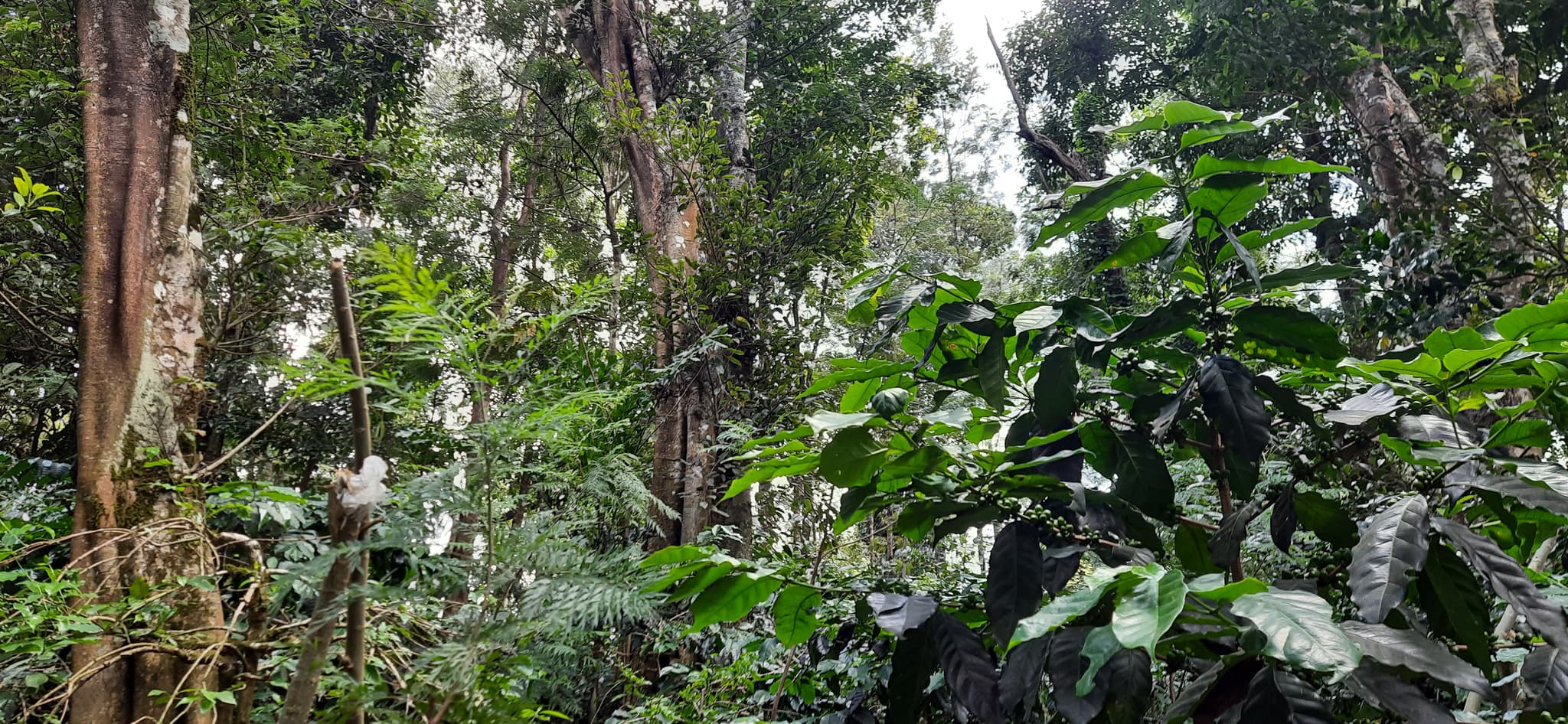
To understand coffee as a means of life, one must look past the steam of a morning mug and into the interconnected rhythm of the hills where it begins. It is a cycle of existence that breathes life into the soil of Chikmagalur long before it ever reaches a kitchen.
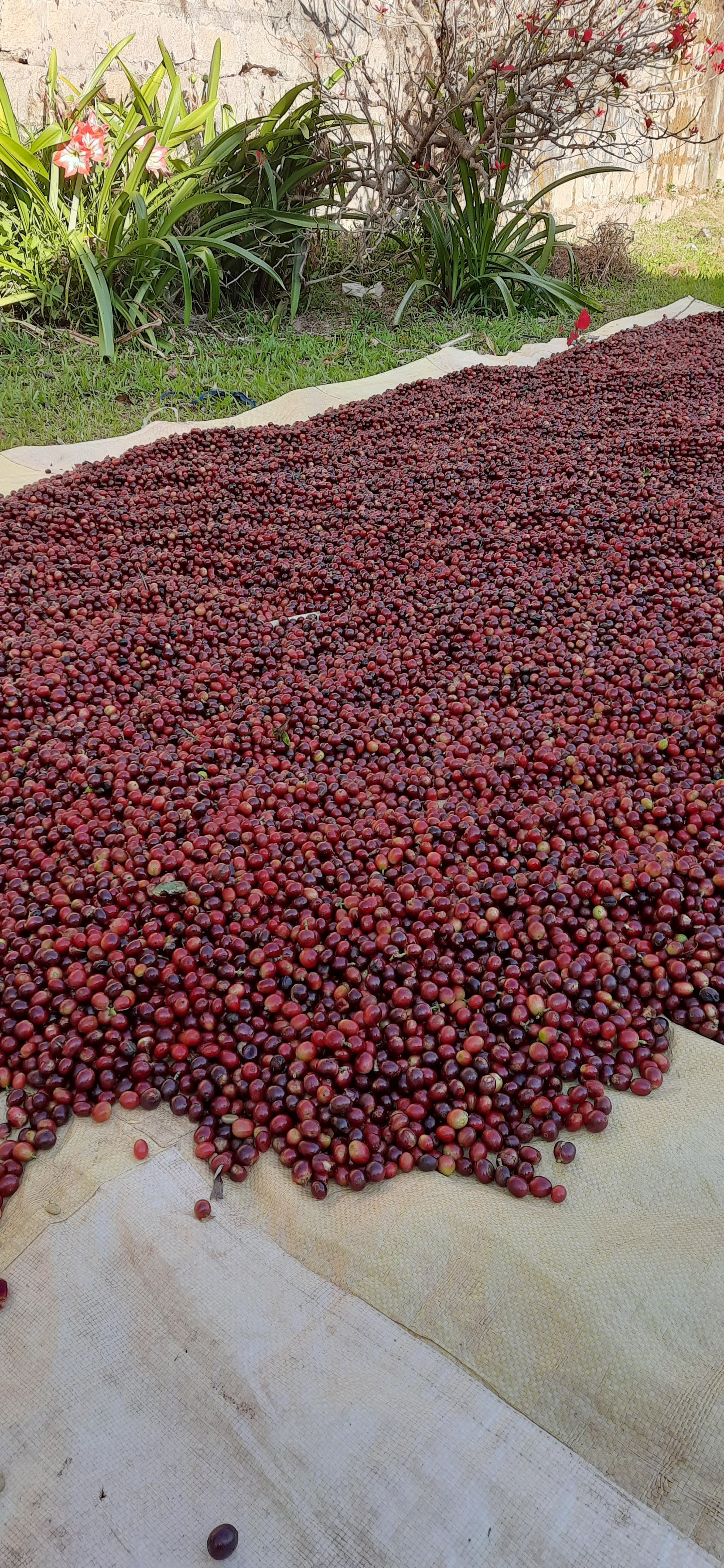
For the small-holder farmers who walk the steep inclines of the Western Ghats, coffee is not merely a crop; it is the heartbeat of their heritage and the primary architect of their community’s future. Their days are dictated by the slow, deliberate pace of the seasons — where the flowering of the trees signals hope and the arrival of the harvest represents the culmination of a year’s worth of physical and emotional investment.
“Coffee is not merely a crop; it is the heartbeat of their heritage and the architect of their community’s future.”
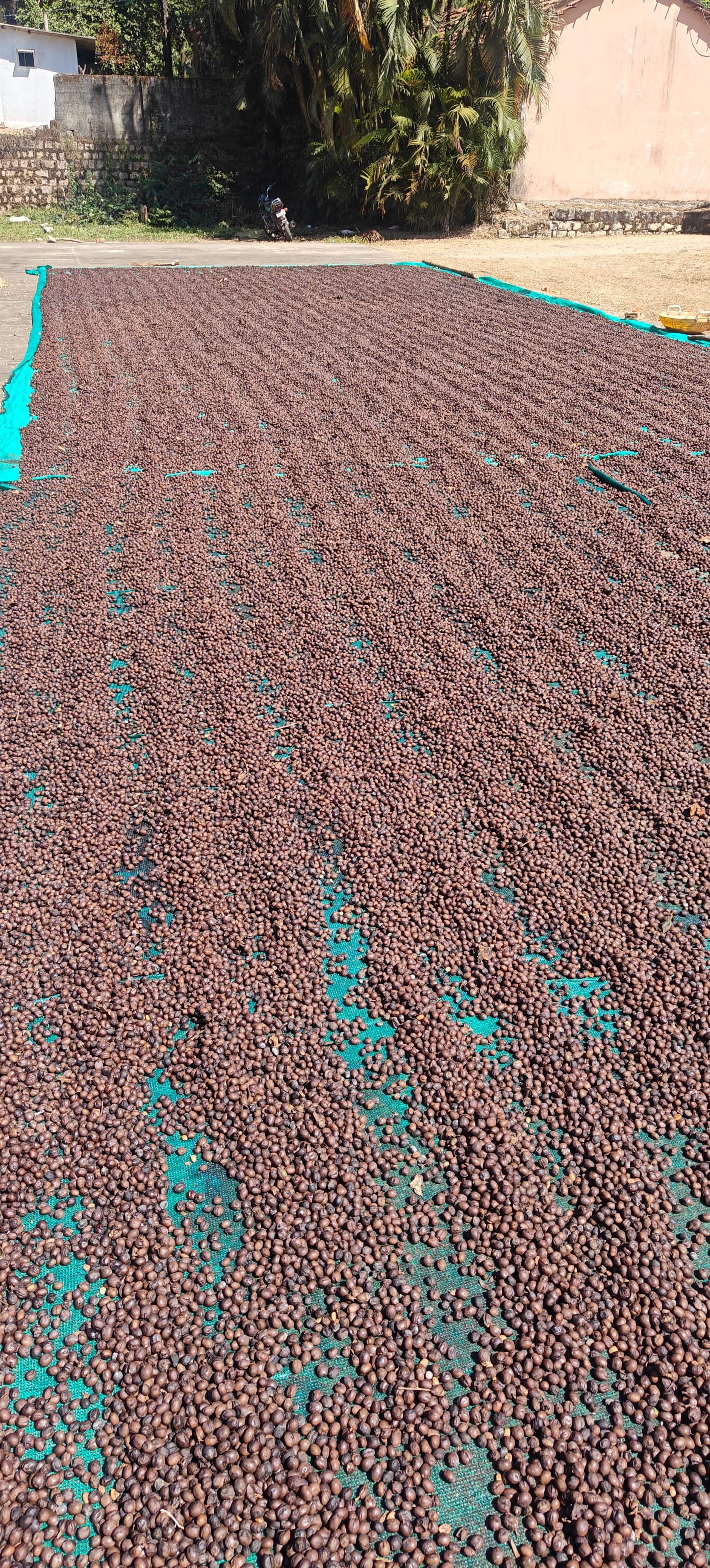
This way of life is sustained by a delicate balance between tradition and progress. By working directly with these families, we ensure that coffee remains a dignified livelihood rather than a struggle for survival. We see this life unfold in the way a farmer meticulously checks the brix level of a cherry or monitors the moisture of a drying lot — actions that are now bolstered by modern technology to ensure that not a single bean, nor a single ounce of effort, is wasted.
Ultimately, coffee as a means of life is about resilience. It is about the endurance of the shade-grown forests, the empowerment of the people who tend them, and the shared culture that unites the grower and the brewer. We aren’t just trading a commodity; we are nurturing a living ecosystem where every cup served is a testament to a life lived in harmony with the land.